
Take Your Peptide Assessment

Question the assumption

Myth vs. Fact

The peptide world is full of confident takes. A closer look often reveals a more interesting question. Explore eight familiar claims and see where the evidence leads.

Christine Sierotowicz in the gym

The Peptide Queen take

There's always more to the story.

The myth

Peptides and amino acids are the same thing.

The fact: False

Amino acids are the building blocks. Peptides are created when amino acids link together in specific sequences.

The take

Think of amino acids as letters. Peptides are the words those letters create: and changing the sequence can completely change the message.

The myth

Everything in the “peptide world” is actually a peptide.

The fact: Definitely not

A lot of compounds get placed under the peptide umbrella even though, chemically, they aren't peptides. NAD+? Not a peptide. Individual amino acids? Not peptides. 5-Amino-1MQ? Not a peptide. Glutathione? Surprise: it is a tripeptide.

The take

Just because it's sold next to peptides doesn't make it a peptide.

The myth

Peptides are basically steroids.

The fact: False

Peptides and steroids are chemically different compounds and can work through completely different biological pathways.

The take

Putting every performance or wellness compound into the “steroid” category is simply bad science.

The myth

If it's natural, it must be safe.

The fact: Not so fast

The body produces many peptides and signaling molecules. Their natural presence alone doesn't establish the safety of a different formulation or an investigational compound. The evidence depends on the specific molecule and context.

The take

“Natural” isn't a substitute for evidence.

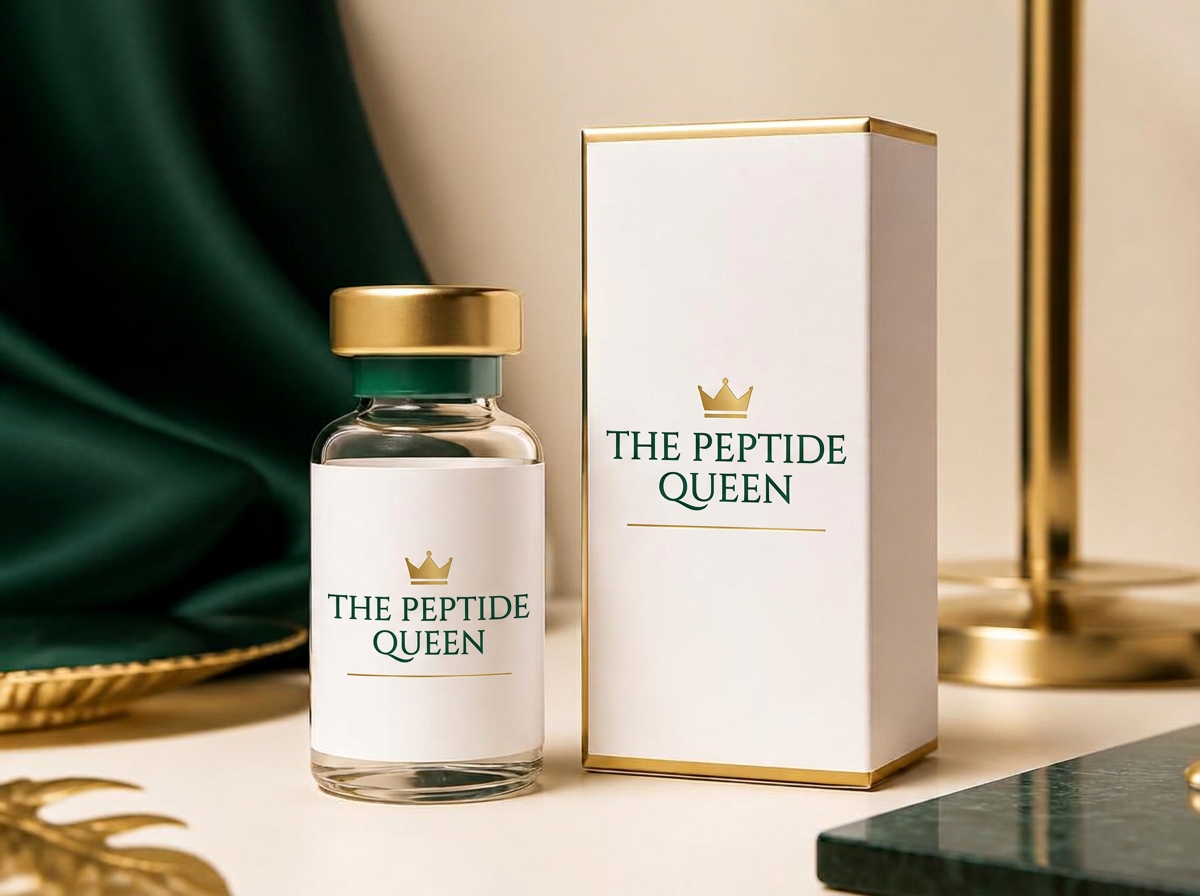
Labeled peptide packaging for product identification

Look closer

What did the study measure? What question comes next?

A compelling finding is the beginning of an inquiry. Read the methods, follow the references, and keep the unanswered questions in view.

The myth

One promising study tells the whole story.

The fact: Incomplete

A study can raise an exciting question. Its design, size, model, and measured outcomes tell you how much that result can support. Other studies may reach different conclusions.

The take

Look at the methods and what the authors actually concluded.

The myth

A result in animals will hold true in humans.

The fact: Not necessarily

Animal research can reveal a biological pathway and help shape the next experiment. Human outcomes require their own evidence, and findings don't always translate across species.

The take

Check which model was studied before applying a conclusion more broadly.

The myth

Every peptide has extensive human research behind it.

The fact: False

Some peptide-based medications have extensive clinical research. Others have early human research. Some have primarily laboratory or animal research, and others still have significant unanswered questions.

The take

Don't ask “do peptides work?” Ask “what does the evidence show for this specific peptide?”

The myth

More peptides mean better results.

The fact: Not necessarily

Combining more compounds doesn't automatically make anything more effective. More compounds can also mean more variables, more potential interactions, and less ability to tell what's actually producing an effect.

The take

Look for research on the combination itself. Separate studies on individual compounds answer different questions.

Christine Sierotowicz, founder of The Peptide Queen

Follow the question.See where the evidence goes.

There's room to be curious and careful at the same time. Start with the molecule, follow the studies, and use the education library to explore the bigger picture.

Insider access

Be early. That's the whole point.

Join the insider list and be first to know when new kits drop, new research breaks, and insider-only offers open up. No noise: just the good stuff, before everyone else gets it.