Take Your Peptide Assessment

Founder

Hi, I'm the Peptide Queen

My interest in peptides started more than seven years ago, long before they became the wellness conversation they are today.

I began researching peptides because I wanted to understand the science behind them: what they were, how they worked, what the research actually showed, and how sourcing, testing, and quality could differ from one product to another.

Over the years, that curiosity grew into something much bigger.

At the gym, I constantly get asked about peptides: what they are, what different peptides are being researched for, which ones people are talking about, and "What peptide should I take?"

Those conversations made me realize how much confusion exists around the topic. There is an overwhelming amount of information online, and it can be difficult to separate emerging research and legitimate education from hype, bro-science, and misinformation.

That's why I created The Peptide Queen.

My goal is to take what I've spent years learning and make it easier to understand. I break down peptide research, talk about sourcing and testing, review quality documentation and certificates, address common myths, and have straightforward conversations about what we know, and what we still don't know.

I'm not a doctor, and I'm not here to tell anyone what they should take.

I'm here to educate, ask better questions, challenge misinformation, and help make the peptide conversation more transparent and approachable.

The science is evolving, and there is still so much to learn.

That's exactly why I'm here.
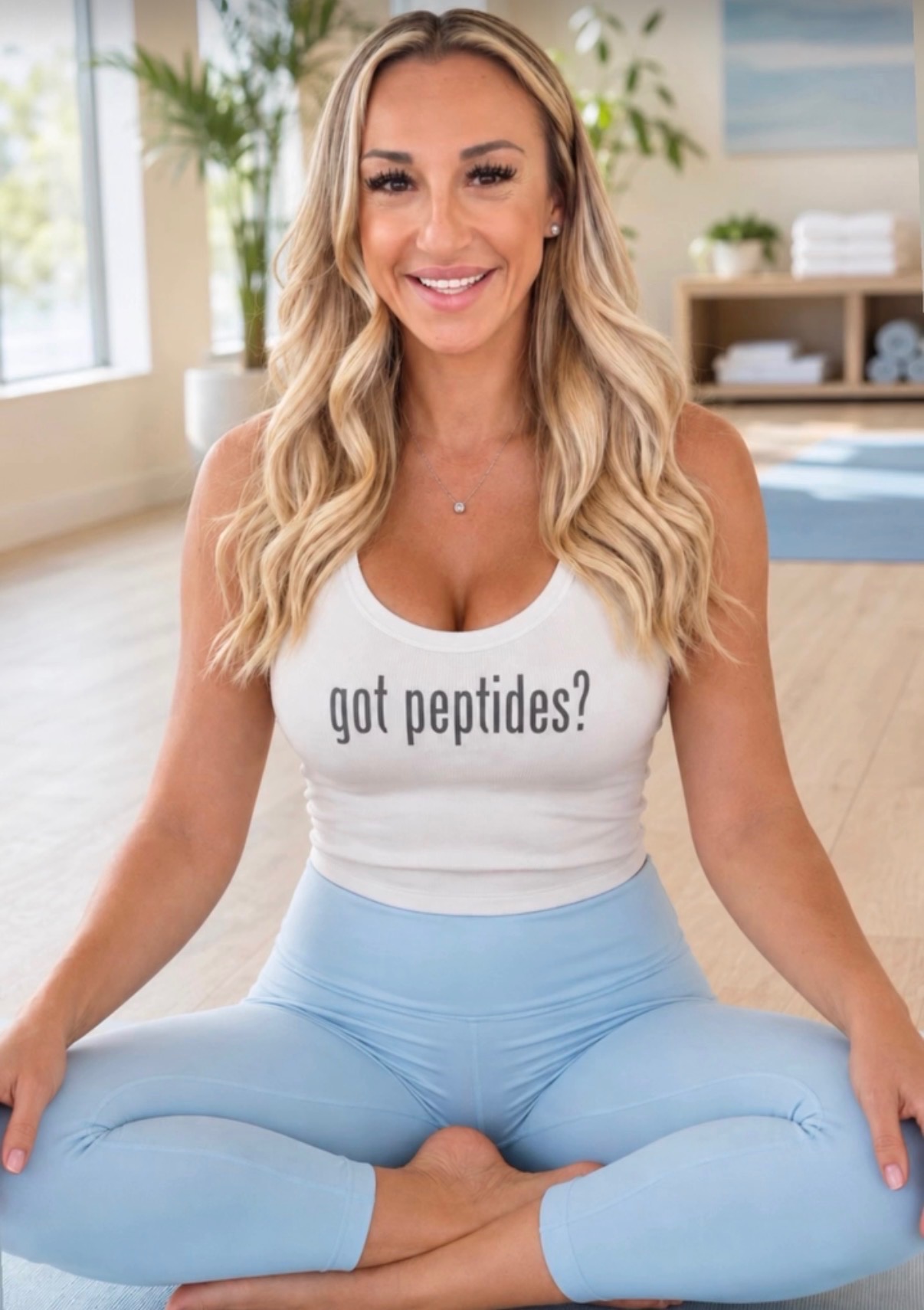
The Peptide Queen founder seated in a bright studio, wearing a white tank top reading got peptides?
The shirt's a wink: the explanations stay plain and honest.

How I work

Three rules I don't break

Read first, buy second

Every product I discuss starts with the literature. If I can't point you to the study, I won't point you to the vial.

Paperwork over promises

When you look at any supplier, ask what was tested, who tested it, and which batch it covers. Good questions beat big claims.

Be early, not right

Peptide science is young. I would rather be ahead of the curve with personal caveats than behind it with perfect certainty.

What I research & why

My favorites to research: and the reasons why

Hundreds of peptides and peptide-related compounds are being researched, but a few keep standing out to me because of the biology behind them. My interests center on recovery, skin and tissue health, cellular energy, and mitochondrial function. My interests aren't your protocol: here's what fascinates me and why.

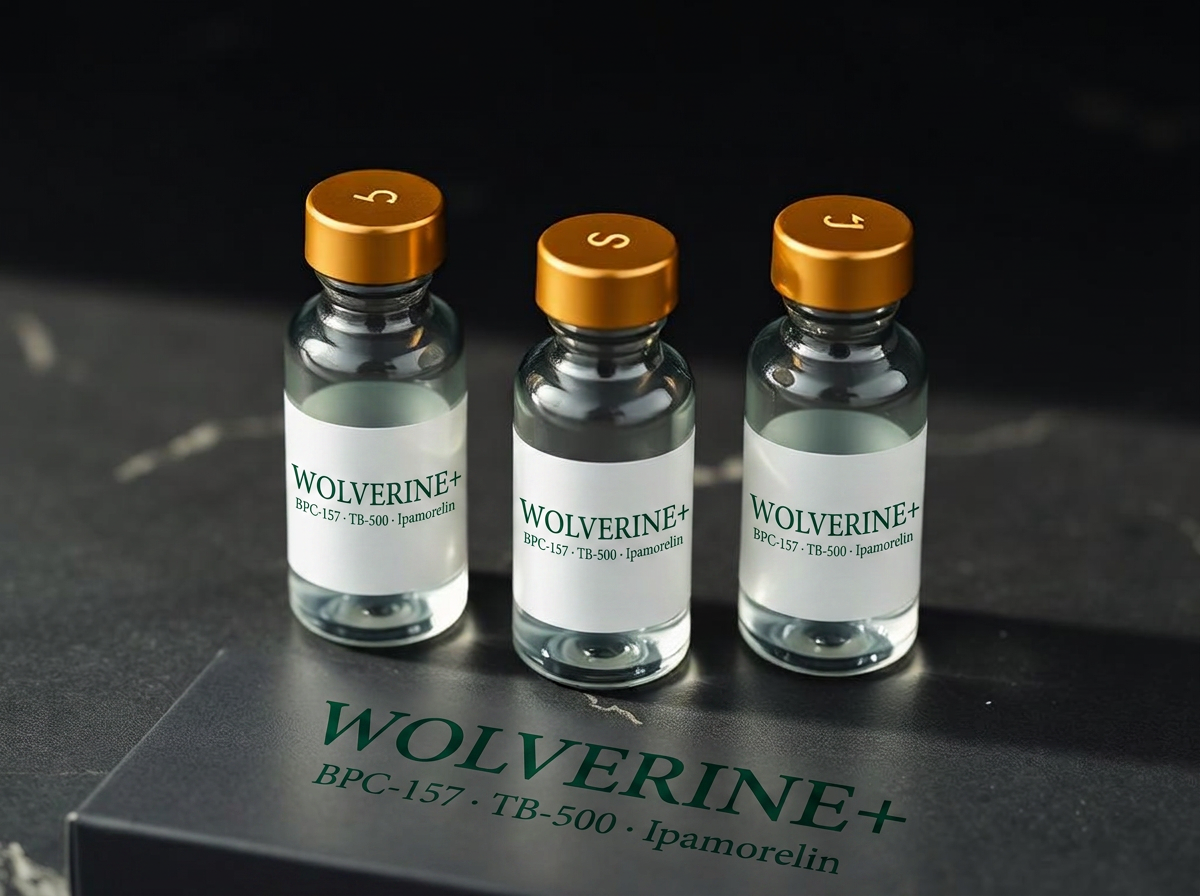
Wolverine product image

Recovery & tissue biology

Wolverine

“Wolverine” is usually a blend rather than one peptide: if yours contains BPC-157 and TB-500, those compounds became popular because of research into tissue repair, inflammation, blood-vessel formation, and recovery pathways. Training is what first pulled me into the research. But the online hype is considerably stronger than the human clinical evidence: much of the research is preclinical.

The take

Fascinating science: but “promising” shouldn't be confused with “proven.”

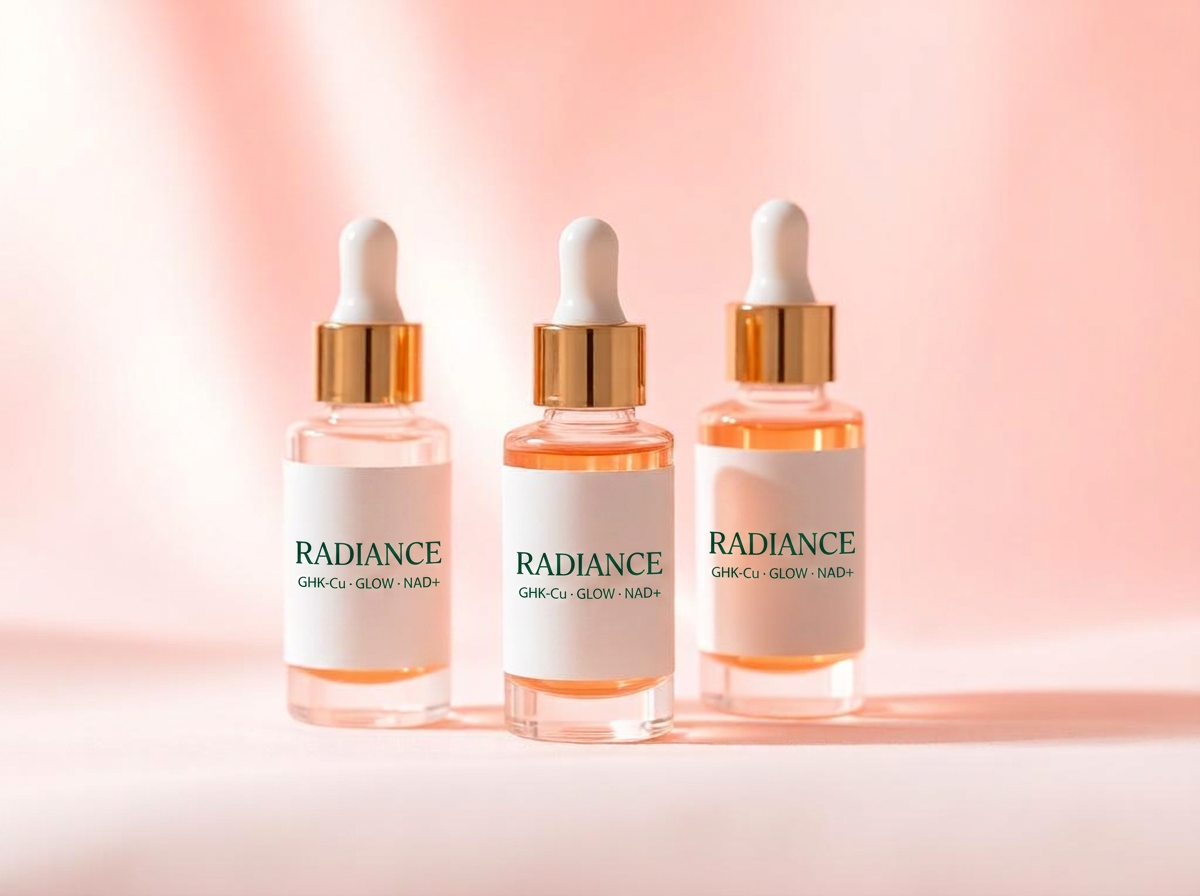
GHK-Cu product image

Skin, collagen & tissue health

GHK-Cu

A naturally occurring copper-binding tripeptide studied in relation to collagen biology, skin remodeling, wound-healing pathways, and hair and skin research. It's probably my favorite peptide to teach because it connects the science to something everyone understands: how our skin and tissues change as we age.

The take

Not every peptide conversation needs to be about muscle or weight loss. The biology goes far beyond that.

NAD+ product image

Cellular energy: and surprise, not a peptide

NAD+

NAD+ (nicotinamide adenine dinucleotide) is a coenzyme involved in energy metabolism: it isn't a peptide at all. It gets grouped into the conversation because of interest in cellular energy, mitochondrial function, metabolism, and aging biology. I'm fascinated by the cellular-energy side of wellness, and I think it matters just as much to explain what NAD+ actually is.

The take

The “peptide world” contains plenty of things that aren't peptides: knowing the difference is the point.

SS-31 product image

Mitochondrial research

SS-31

SS-31 (elamipretide) is a small mitochondrial-targeting tetrapeptide. Mitochondria produce much of the usable energy our cells need, and SS-31 research has explored mitochondrial structure, oxidative stress, and cellular-energy processes. Instead of only asking about weight loss, I find “what's happening inside the cell?” a much more interesting question.

The take

Exciting research and established clinical benefit are two different things. I'll always make that distinction.

Wolverine, GHK-Cu, NAD+ and SS-31 are some of the compounds I follow most closely. Sharing what interests me isn't a recommendation that anyone use the same compounds.

Insider access

Be early. That's the whole point.

Join the insider list and be first to know when new kits drop, new research breaks, and insider-only offers open up. No noise: just the good stuff, before everyone else gets it.